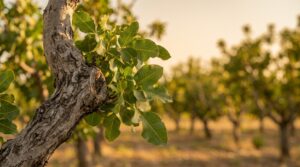
At Agro Vivero del Mediterráneo, we have spent years dedicated body and soul to the fascinating and demanding world of the pistachio tree. Our experience, forged season after season in plantations like yours, has taught us a fundamental lesson: the success of a pistachio operation does not reside in a single miraculous factor, but in the synergy and meticulous balance of multiple cares. Among all the pillars that support a profitable and long-lived plantation, fertilization stands out as one of the most crucial and, often, the one that generates the most uncertainty and doubt among farmers, both beginners and the most experienced. A precise fertilization plan, custom-designed, and comprehensive tree care are the key not only to guarantee the survival and development of the plants but to squeeze out their maximum genetic potential, maximize production sustainably, and, of course, obtain a nut of exceptional caliber that reaches the best prices in the market. 👑
In this article, we are going to open the doors of our technical knowledge and share with you the strategies and techniques that we have perfected throughout our trajectory. We will hold nothing back. We will break down step by step, with a deep level of detail, how to nourish, protect, and pamper your pistachio trees so that they become true production athletes. We want this text to be your bedside guide, a reference manual that you can return to again and again. Because your success is, without a doubt, our success, and our vocation is to accompany you at every stage of this exciting journey. From the initial decision to choose the best pistachio plant, a choice that will mark the future of the operation, to the rewarding moment of harvest, our team of technicians is at your entire disposal.
The importance of a living and balanced soil: The foundation of everything 🌍
Before diving into the complex world of fertilizers, with their formulas, balances, and application times, we must stop and pay maximum attention to the starting point of everything: the soil. It is a common mistake to consider the soil as a mere inert support for roots, a simple physical anchor. Nothing could be further from the truth. The soil is a vibrant and complex ecosystem, a universe bustling with life where infinite physical, chemical, and, above all, biological processes constantly intertwine, which are absolutely vital for the health and nutrition of the pistachio tree. Understanding in depth the characteristics of our soil is not a preliminary step; it is the first and most decisive step to be able to implement a fertilization strategy that is truly efficient, sustainable, and profitable.
The pistachio tree is known worldwide for its legendary rusticity, its amazing ability to thrive in edaphoclimatic conditions that would be prohibitive for most fruit trees. It adapts to soils poor in organic matter, to strongly calcareous soils that would induce severe iron chlorosis in other species, and even tolerates a certain degree of salinity that would be lethal for other crops. However, and it is crucial that we understand this, “adapting” is not synonymous with “producing to its maximum potential.” For a pistachio plantation to transcend the level of mere subsistence and become a truly profitable business, we must aspire to offer the tree conditions as close to optimal as possible, and that optimization begins, inevitably, with the soil.
The first action, non-negotiable and mandatory, even before acquiring the first plant, is to carry out a complete and detailed soil analysis. And not just at the beginning; this analysis must be repeated periodically, ideally every 2 or 3 years, to monitor the evolution of the fertility of our plot. This analysis is our X-ray, the map that will guide us in all our decisions. It will provide us with precise information on:
-
Soil Texture and Structure: Is it a sandy, silty, clayey, or a balanced mixture (loam) soil? The texture, that is, the proportion of these three particles, determines the capacity for water and nutrient retention. Sandy soils are “loose,” easy to work, and warm up quickly, but they drain water and nutrients (especially nitrogen) too easily, forcing us to irrigate and fertilize more frequently and in fractions. Clay soils, on the contrary, have a high water and nutritional retention capacity but can present serious problems of compaction, lack of aeration in the root zone, and waterlogging, which favors root diseases such as asphyxia or Verticillium wilt. A loam or clay-loam texture, well-structured (with stable aggregates), is usually ideal for the pistachio tree.
-
Soil pH: This parameter measures the acidity or alkalinity of the soil and is one of the most influential factors in the availability of nutrients for the plant. The pistachio tree is comfortable in soils with a neutral or slightly alkaline pH, with an optimal range that we place between 7.0 and 8.0. A pH outside this range can block the absorption of certain nutrients, even if they are physically present in the soil, which is known as “induced deficiency.” For example, a very acidic pH (<6.0) can limit the availability of Phosphorus, Calcium, Magnesium, and Molybdenum. Conversely, a very alkaline pH (>8.2), typical in many areas of the peninsula, greatly hinders the absorption of Iron, Manganese, Zinc, and Boron, causing dreaded and limiting chlorosis.
-
Organic Matter (O.M.): We can consider it the heart of soil fertility, the engine of its health. Organic matter is much more than nutrients. It improves soil structure, creating stable aggregates that prevent compaction and improve water infiltration. It acts like a sponge, drastically increasing water retention capacity, something vital in semi-arid climates. It is the food for the legion of beneficial microorganisms that inhabit the soil. And, of course, it acts as a storehouse and regulator of nutrients, releasing them slowly and gradually as it decomposes. Our undeniable goal must be to maintain organic matter levels above 1.5% or 2%. In most agricultural soils in Spain, this is one of the main battles, and its improvement must be a constant priority.
-
Assimilable nutrient levels: The analysis will detail the amounts of macronutrients (Nitrogen, Phosphorus, Potassium, Calcium, Magnesium, and Sulfur) and micronutrients (Iron, Manganese, Zinc, Copper, Boron, and Molybdenum) that are actually available to be absorbed by the roots. With this objective data, we can design a tailored fertilization plan, a “surgical” fertilization, providing only what the tree needs, in the amount it needs, and at the time it needs it. This not only maximizes efficiency and production but also avoids unnecessary spending on fertilizers and prevents toxicity problems and environmental pollution from excessive fertilization.
-
Electrical Conductivity (EC) and Active Lime: The EC indicates the concentration of salts in the soil solution. As we have mentioned, the pistachio tree is relatively tolerant to salinity, but excessively high levels (greater than 4-5 dS/m) can negatively affect water and nutrient absorption, causing water stress and toxicities. The percentage of active lime is another crucial parameter in our soils. High levels of active lime (>10%) are primarily responsible for blocking iron and other micronutrients, so knowing this data is fundamental for choosing the most suitable type of iron chelate.
With the analysis results in hand, we can start plotting our action plan. If the pH is too acidic, we can correct it with limestone amendments (calcium carbonate, dolomite). If it is too alkaline and active lime is not a problem, we can use elemental sulfur or acid-reaction fertilizers (such as ammonium sulfate) to try to lower it slightly in the wet bulb zone. If the level of organic matter is very poor, the application of well-composted manure, quality compost, or the establishment of cover crops will be our best allies. At Agro Vivero del Mediterráneo, we not only provide you with the best plants, but we also offer comprehensive advisory services that include the exhaustive interpretation of these analyses and the development of a completely personalized soil improvement plan for your farm.
Macronutrients: The pillars of pistachio nutrition 🏗️
Macronutrients are those elements that the plant needs in relatively large quantities for its development. They are, literally, the bricks with which the tree builds its structures (trunk, branches, roots, leaves) and the fuel it needs to carry out all its vital functions. Liebig’s Law of the Minimum teaches us that the growth of a plant is not limited by the total amount of resources available, but by the scarcest resource. A deficit in just one of the essential macronutrients will act as a bottleneck, limiting growth and production, no matter how optimal the levels of the others are. It is like trying to build a house without cement; no matter how many bricks, beams, and tiles we have, the structure will not hold.
Nitrogen (N): The motor of growth and vigor
Nitrogen is, without any doubt, the most decisive nutrient with the most visible response in the vegetative growth of the pistachio tree. It is a structural component of the most important molecules for plant life: proteins (enzymes, structures), nucleic acids (DNA and RNA containing genetic information), and chlorophyll, the green pigment responsible for photosynthesis, the process by which the plant converts sunlight into energy.
-
Main functions: Its primary function is to promote the development of new tissues: shoots, leaves, and branches. Good vegetative vigor, driven by an adequate supply of nitrogen, is absolutely fundamental in the first years of the plantation. We need to form a tree with a strong structure, a robust trunk, and a well-branched canopy that, in the future, can support the weight of a large harvest. In adult trees, nitrogen is crucial for the constant renewal of productive wood (remember that pistachio produces on the previous year’s wood) and to ensure good nut size and weight.
-
Deficiency symptoms: A nitrogen deficiency manifests itself very clearly. The tree presents poor and stunted growth, with short internodes. The leaves are smaller than normal and present a generalized chlorosis (yellowing), of a pale green or yellowish tone. Since nitrogen is a mobile element within the plant, the tree moves it from the older leaves (those at the base of the shoots) to the younger and growing ones, so deficiency symptoms appear first on those old leaves. In severe cases, premature defoliation occurs, and production is drastically reduced.
-
Excess symptoms: Excess is as bad as defect. An abuse of nitrogen causes uncontrolled vegetative growth, excessively vigorous, with very long but weak and tender shoots, and leaves of a very dark green, almost artificial color. This “excess vigor” may seem positive, but in reality, it is very harmful. In young trees, it delays entry into production. In adult trees, it reduces nut quality (lower percentage of open nuts), increases competition between vegetative growth and nut development, and can cause a higher percentage of “blanking” (nuts that do not fill the kernel). Furthermore, this very tender tissue is much more sensitive to the attack of certain pests (such as aphids and psylla) and fungal diseases. Not to mention the economic cost of wasted fertilizer and the serious environmental problem of aquifer contamination by nitrate leaching.
-
When and how to apply it: The pistachio tree’s nitrogen demand is concentrated mainly in two key phenological moments: at the beginning of sprouting in spring, to sustain the rapid development of leaves and shoots, and during the nut filling period in summer (July-August). Therefore, the most efficient strategy is to fractionate the total annual application. A first application, which can account for between 50% and 60% of the total, is carried out in late winter or early spring (February-March), just before bud break. A second application (the remaining 40%-50%) is carried out in late spring or early summer (May-June), so that it is available during kernel fattening.
Application methods vary according to the cultivation system. In dryland plantations, the usual practice is to use solid fertilizers with more or less slow release (such as urea, ammonium sulfate, or calcium ammonium nitrate). It is fundamental to bury the fertilizer through superficial tillage in the tree’s drip zone to avoid losses through volatilization and to place it in a zone with moisture where it can dissolve and be absorbed. In irrigated land, fertigation is undoubtedly the most efficient and recommended method. It allows us to provide nitrogen (generally in the form of ammonium nitrate, 32% nitrogen solution, or calcium nitrate) already dissolved in the irrigation water, putting it directly at the disposal of the roots. In addition, it gives us total flexibility to fractionate the doses into multiple small applications, adjusting the supply to the exact needs of the tree at each moment of its cycle.
Phosphorus (P): Energy for development and reproduction
Phosphorus is often the great forgotten one, but its role is absolutely fundamental. It is the central component of the ATP molecule (Adenosine Triphosphate), which is the universal “energy currency” of all living beings. All the energy that the plant captures in photosynthesis is stored and transported in the form of ATP. Therefore, phosphorus is involved in all processes that require energy expenditure.
-
Main functions: It is absolutely essential for powerful and healthy root development, especially in the early stages of the plant. Well-developed roots allow the tree to explore a larger volume of soil, which translates into a greater capacity for absorbing water and the rest of the nutrients. It actively intervenes in cell division and differentiation, so it is vital throughout the growth period. And, very importantly, it plays a crucial role in reproductive processes: it improves flower quality, pollen viability, and favors the process of fruit set and initial nut development.
-
Deficiency symptoms: Its symptoms are much more subtle and difficult to diagnose with the naked eye than those of nitrogen. The tree shows reduced general growth and a “sad” appearance. Leaves may acquire a dull dark green color, sometimes with violet or purple hues, especially on the edges and on older leaves, due to the accumulation of anthocyanins. Flowering is scarce, fruit set is poor, and nut maturation can be irregular.
-
When and how to apply it: Phosphorus has a characteristic that completely conditions its management: it is an extremely immobile element in the soil. It tends to be fixed by clays and to precipitate with calcium in alkaline soils, forming insoluble phosphates that the plant cannot absorb. This means that if we apply it to the soil surface, it will take years to reach the root activity zone. Therefore, it is absolutely fundamental to carry out good basal fertilization before planting, incorporating phosphorus deeply (20-40 cm) over the entire surface of the plot. Once the plantation is established, maintenance applications must be located as close as possible to the root system. In dryland, solid phosphate fertilizers (such as 18% superphosphate or diammonium phosphate – DAP) are applied in autumn or winter, burying them in trenches or furrows on the sides of the tree. In irrigated land, fertigation with fully soluble liquid fertilizers such as monoammonium phosphate (MAP) or phosphoric acid is the best option. Phosphoric acid has the added advantage that it helps acidify the irrigation water, cleaning the drippers and improving the assimilation of other nutrients. Phosphorus needs are especially important in spring, during flowering and fruit set.
Potassium (K): The regulator of quality, resistance, and transport
Potassium is a key nutrient, often underestimated in the early stages of cultivation, but which becomes absolutely central as the trees enter production. It is the most abundant cation in the cytoplasm of plant cells and acts as a regulator of multiple physiological processes.
-
Main functions: It is primarily responsible for the plant’s water regulation. It controls the opening and closing of stomata (the “pores” of the leaves through which the plant breathes and transpires), which helps the tree be much more efficient in water use and more resistant to drought. It also increases the concentration of salts in the cells, lowering the freezing point of the sap and conferring greater resistance to winter and spring frosts on the tree. It is fundamental for the activation of more than 60 enzymes. And, from the harvest point of view, its role is stellar: it is in charge of catalyzing the transport of sugars (photosynthates) from the leaves, where they are produced, to the sink organs, which in our case are the nuts. A good supply of potassium is synonymous with greater weight, better kernel filling, and a higher percentage of open nuts. In addition, it strengthens cell walls, increasing the tree’s resistance to diseases and pests.
-
Deficiency symptoms: Symptoms usually appear first on older leaves (it is a mobile element). Chlorosis is observed starting at the edges and tips of the leaves and advancing inwards, between the veins. Subsequently, these chlorotic edges become necrotic, dry out, and break, acquiring a typical “paper burn” appearance. The nuts are small in caliber, with a low filling percentage and a higher incidence of blanking. The tree is more vulnerable to water stress and frost.
-
Excess symptoms: Excess potassium in the soil can cause antagonism problems. Being a cation (K+), it competes for root absorption sites with other cations, mainly Magnesium (Mg++) and, to a lesser extent, Calcium (Ca++). Excessive potassium fertilization can, therefore, cause induced magnesium deficiencies, even when magnesium is at adequate levels in the soil.
-
When and how to apply it: The potassium demand curve by the pistachio tree is very clear: it skyrockets during the nut growth and filling phase, from late spring until just before harvest. The nut acts as a very powerful potassium sink. Like phosphorus, it is a relatively immobile element in the soil, so basal applications in pre-planting are highly recommended. Maintenance applications in dryland are carried out in autumn-winter with solid fertilizers such as potassium sulfate (ideal for its sulfur contribution and low salt index) or potassium chloride (cheaper, but must be used with caution in soils prone to salinity). In irrigated land, fertigation allows for perfect adjustment. Constant contributions can be made throughout the cycle, but they must be drastically intensified from June to late August, using fully soluble sources such as potassium nitrate (which also provides nitrogen), soluble potassium sulfate, or monopotassium phosphate (MKP).
Secondary Macronutrients: Calcium (Ca), Magnesium (Mg), and Sulfur (S)
Although the plant needs them in smaller quantities than the N-P-K trio, they are equally essential for its proper functioning. Fortunately, their deficiencies are less common in typical pistachio growing conditions.
-
Calcium (Ca): It is the “cement” that binds the cell walls of plant tissues, providing structure, rigidity, and stability. It is crucial for the development of meristems, active growth points such as root tips and apical buds. Its deficiency is extremely rare in calcareous soils (rich in calcium carbonate) where pistachio is usually grown. In fact, the problem is usually its excess. It could appear in very acidic and sandy soils, manifesting with poor root development and death of growth points.
-
Magnesium (Mg): It is the central atom of the chlorophyll molecule. Without magnesium, there is no chlorophyll and, therefore, no photosynthesis. Its deficiency causes a very characteristic chlorosis that usually appears on older leaves. The typical pattern is an interveinal chlorosis in the form of a “Christmas tree” or inverted “V,” where the main veins remain green while the tissue between them yellows, starting from the leaf edge and advancing towards the center. As mentioned, magnesium deficiency can be induced by excess potassium. It can be corrected with soil applications of magnesium sulfate or with foliar sprays.
-
Sulfur (S): It is an essential component of some amino acids (cysteine, methionine) and, therefore, of all proteins. It also participates in chlorophyll formation and the synthesis of some vitamins. Its deficiency causes symptoms very similar to those of nitrogen: a general yellowing of the plant. The main difference is that sulfur is not very mobile in the plant, so symptoms usually appear first on younger leaves, unlike nitrogen. Fortunately, the habitual use of fertilizers such as ammonium sulfate, potassium sulfate, or superphosphate, as well as organic matter itself, usually provide the necessary amounts of sulfur for the crop.
Micronutrients: Small doses, large and indispensable functions 🔬
Micronutrients, also known as trace elements, are required by the plant in tiny quantities, sometimes just a few grams per hectare. However, their role in tree physiology is so vital that their lack, however slight, can have devastating effects on the development, production, and profitability of the plantation. In alkaline and calcareous soils, with high pH, which predominate in the pistachio-producing areas of the Iberian Peninsula, micronutrient deficiencies, especially of iron, zinc, and boron, are extremely common and represent one of the biggest nutritional challenges we face.
Iron (Fe): The antidote against the invisible asphyxia, iron chlorosis
Iron chlorosis is, in all likelihood, the most common, visible, and limiting nutritional disorder in pistachio plantations on calcareous soils. It is the great headache of many farmers.
-
Functions: Iron, despite not being part of the chlorophyll molecule, is indispensable for its synthesis. It acts as a catalyst in the formation of its precursors. In addition, it participates as a cofactor in numerous enzyme systems vital to the plant, such as the electron transport chain in respiration and photosynthesis. Without iron, the plant cannot generate energy.
-
Deficiency symptoms: Symptoms are unmistakable and always manifest in the youngest leaves and new shoots. This is because iron is a very immobile element within the plant; the tree is unable to translocate it from old leaves to new growth points when it is scarce. The classic symptom is a very marked interveinal chlorosis: the leaf veins remain an intense green color, creating a reticulated pattern, while the tissue between them (the leaf blade) turns a pale yellow color. In severe cases, the entire leaf turns yellow, then whitish, the edges become necrotic, and strong defoliation and death of branch tips occur. A tree with iron chlorosis has its photosynthetic capacity diminished, grows little, and produces less.
-
How to correct it: It is vital to understand that the cause of the problem is almost never a lack of iron in the soil. Soils usually have large iron reserves. The problem is its low availability due to high pH and the presence of bicarbonates in irrigation water, which insolubilize it and precipitate it into forms that the root cannot absorb. Therefore, applying simple iron salts to the soil (such as iron sulfate) is throwing money away, as it will become insoluble immediately. The most effective and lasting solution is the application of iron chelates. Chelates are organic molecules that “embrace” and protect the iron ion, keeping it in a soluble and assimilable form for the plant even in the adverse pH conditions of calcareous soils. However, not all chelates are the same. It is crucial to choose the right chelate based on the pH of our soil. For soils with a pH above 7.5, we must mandatorily use high-stability chelates such as Fe-EDDHA, and within this, the ortho-ortho isomeric form is preferable, which is the most stable and persistent. Lower stability chelates (such as Fe-EDTA or Fe-DTPA) are less effective and degrade quickly under these conditions. Application can be done to the soil through fertigation, in early spring, so that it is available when the tree starts to move sap. Foliar applications can also be made, which have a faster shock effect to correct acute symptoms, but their effect is less lasting.
Zinc (Zn): The architect of shoot growth
Zinc is another micronutrient whose availability is drastically reduced in calcareous soils and those with high phosphorus content. Its deficiency is very frequent in the pistachio tree.
-
Functions: Zinc is essential for the synthesis of tryptophan, an amino acid that in turn is the precursor of auxins. Auxins are plant hormones that regulate the growth and elongation of stems and internodes. Therefore, without zinc, there is no normal shoot growth. It is also an activator of numerous enzymes.
-
Deficiency symptoms: The most characteristic and easy-to-identify symptom is a drastic reduction in internode growth. Shoots do not elongate, and leaves cluster at the end of the branch, giving rise to a typical “rosette” or “witch’s broom” formation. The leaves that develop are much smaller than normal (microphylla), narrow, elongated, and often with an interveinal chlorosis similar to that of iron, although less marked. Production is greatly diminished, as affected shoots usually do not produce nuts.
-
How to correct it: The most effective and rapid correction is through foliar applications. Products such as zinc sulfate, zinc nitrate, or, for greater efficiency and lower risk of phytotoxicity, zinc chelates (Zn-EDTA) can be used. The best time for these applications is in spring, once the leaves are well developed and receptive (generally in April-May). Another very interesting application window is post-harvest, in autumn, before leaf fall. At this time, the tree absorbs zinc and accumulates it as a reserve in buds and wood, ensuring good availability for the following spring’s sprouting. Soil application is less effective due to the same blocking problems as iron.
Boron (B): The conductor of flowering and fruit set
Boron is a micronutrient that, although needed in minuscule amounts, plays a stellar and irreplaceable role in the reproductive phase of the pistachio tree. A good harvest starts with a good level of boron.
-
Functions: It is absolutely fundamental for the germination of the pollen grain on the flower stigma, for the growth of the pollen tube that must travel down the style to reach the ovule, and, therefore, for fertilization and subsequent fruit set to occur. It also intervenes in sugar transport and cell wall formation, providing structural integrity to tissues.
-
Deficiency symptoms: A boron deficiency translates directly into a productive disaster. It manifests with apparently normal flowering, but which results in massive flower abortion and very poor fruit set. The few nuts that manage to set may be deformed or fall prematurely. At the vegetative level, death of the terminal bud of shoots can occur, inducing excessive lateral sprouting and a bushy appearance. Young leaves may be small, curled, and brittle.
-
Excess symptoms: Be very careful with boron! It is the micronutrient with the narrowest margin between deficiency and toxicity. Excess boron is very harmful to the plant. It causes symptoms of necrotic burns on the edges and, above all, on the tips of older leaves, which progressively advance towards the center of the leaf. Therefore, boron applications must always be done based on a prior analysis and adjusting doses precisely.
-
How to correct it: Boron application can be done foliarly or to the soil. Foliar sprays with products based on boric acid or boron-ethanolamine are very effective and safe if doses are respected. The most critical and effective time for its application is just before flowering, in the “swollen bud” stage. In this way, we ensure that boron is present in the flowers at the time of pollination. Post-harvest applications can also be made to improve reserves for the next season. If soil analysis reveals a severe deficiency, granular products like Borax can be applied to the soil in winter, always with extreme caution in dosing and distributing it homogeneously.
Foliar analysis: The tool to listen to what the tree tells us 🍃
If we have defined soil analysis as an X-ray of the terrain, foliar analysis is, without a doubt, a complete blood test of our tree. It is the most precise diagnostic tool we have at our disposal. It does not tell us what is in the soil, but what the tree has been able to absorb, transport, and accumulate in its tissues. It reveals the real nutritional status of the plant at a specific moment. For us, at Agro Vivero del Mediterráneo, it is an indispensable practice to adjust and fine-tune our fertilization program to the maximum, especially in plantations that have already entered production.
Foliar analysis allows us to:
-
Confirm with scientific certainty nutritional deficiencies that we suspect from the visual symptoms we observe in the field.
-
Detect “hidden” deficiencies or “hidden hunger” status. This is extremely important. These are suboptimal levels of a nutrient that have not yet caused clear visible symptoms but are already acting as a limiting factor, diminishing the tree’s productive potential without us realizing it.
-
Identify possible toxicities due to an excess of some element, such as boron or certain salts.
-
Evaluate the real effectiveness of our fertilization program from the previous year and make the necessary adjustments for the next season, optimizing doses and application times. It is the basis of continuous improvement.
When and how is correct foliar sampling performed? The sampling procedure is crucial for results to be reliable and comparable year after year. The standard time to perform sampling in the pistachio tree is during the month of July. In this period, shoot growth has slowed down, and nutrient levels in leaves have stabilized, giving us a representative picture of the season. For sampling, guidelines must be followed: select mature, healthy, and complete leaves (with petiole and leaflet) located in the middle part of the current year’s shoots. It is important to avoid leaves from suckers or shaded branches. Leaves should be collected from different trees distributed representatively throughout the plot (or for each irrigation sector if there are differences in soil, rootstock, or management), until a composite sample of about 100 leaves is obtained. These leaves are sent as soon as possible to a specialized laboratory, which will provide us with a detailed report with the levels of each nutrient and compare them with the reference ranges considered optimal for pistachio cultivation. The interpretation of these results is key to making the right decisions.
Fertilization strategies: A tailored plan for each stage of the tree 🌳
The fertilization program cannot be a static and immovable recipe. It must be a tailored suit, a dynamic plan that adapts to the age of the tree, its productive status, and the objectives we pursue in each phase. The nutritional needs of a newly planted tree, whose only goal is to grow, have nothing to do with those of a 15-year-old tree in full production, which must sustain a large harvest while generating new wood for the following year.
Fertilization in seedlings (Years 1-3): Building the foundations for the future
The main and almost sole objective during the first three years of the plantation’s life is to promote rapid, yet balanced, vegetative development. We want to form the tree’s structure, its “skeleton,” as soon as possible. The goal is to achieve a straight and vigorous trunk and a well-formed crotch with 3 or 4 main branches at the desired height. The future productive potential will depend largely on the quality of this formation.
-
Basal fertilization: As we have already insisted, before planting it is crucial to correct soil deficiencies and improve its physical properties. The deep incorporation of well-composted manure (about 20-30 tons per hectare) and fertilizers rich in phosphorus and potassium will create an ideal environment for young roots to establish and explore the terrain quickly.
-
Maintenance fertilization: During these first years, nitrogen is king, the engine of growth. However, it must be applied wisely, with measure, and in a very fractionated way to avoid lanky, tender, and weak growth.
-
Year 1: The plant comes from the nursery with a well-nourished root ball and reserves. There is no need to rush to fertilize. We must wait for the plant to root well and start sprouting strongly (approximately a month and a half or two months after planting). From there, we can start applying small amounts of nitrogen, preferably through drip irrigation if available. Total doses of 20-30 grams of pure nitrogen per tree, spread over 4-5 applications throughout spring and early summer, are usually more than enough.
-
Years 2 and 3: As the tree grows and its root system expands, doses are progressively increased. We can move to about 50-70 grams of N per tree in the second year and 100-150 grams in the third, always maintaining fractionation. The goal is to accompany the tree’s growth, not force it. During this stage, it is fundamental to closely monitor the possible appearance of chlorosis due to lack of iron or zinc and correct them quickly with foliar applications so as not to slow down vegetative development one bit.
-
Fertilization in young trees (Years 4-7): Preparing for entry into production
In this phase, the tree begins its transition from the juvenile to the adult stage. The first harvests begin to appear, although they are not yet very significant. The objective is twofold: on the one hand, to continue completing the canopy formation, occupying all the space assigned in the planting spacing; on the other, to start paying much more attention to nutrients directly involved in production, such as potassium and boron.
-
Nitrogen doses continue to increase, potentially reaching 200-400 grams of N per tree per year, depending on the vigor and load it presents.
-
Potassium begins to take center stage. More consistent applications begin to be introduced, especially from the first significant harvest onwards. The N:K ratio should start to balance out, tending towards 1:1 or even slightly favoring potassium.
-
Phosphorus remains important for the development of new roots and flowering quality. Annual contributions must be maintained.
-
Foliar analyses become indispensable tools to fine-tune doses and detect possible nutritional imbalances before they affect production.
-
It is a good time to establish the practice of applying boron systematically and preventively before flowering to maximize the fruit set of these first and exciting harvests.
Fertilization in adult trees (From year 8): Maximizing harvest profitability
Once the plantation has reached full maturity and production, the goal of fertilization is to maintain a sustainable balance in the long term. We must nourish the tree so that it can support a large high-quality harvest, but without exhausting itself, and ensuring at the same time sufficient vegetative growth to generate the new wood that will produce in coming years. The key concept in this phase is “replacement fertilization.” That is, at a minimum, we must replenish the soil with the nutrients we extract each year with the harvest and those lost with pruning wood.
The needs of an adult pistachio tree in full production can be very high and vary enormously depending on the harvest level. As a reference, for an average production of 1,500 kg of in-shell nuts per hectare, extractions (what we take from the plot) are around:
-
40-45 kg of Nitrogen (N)
-
10-12 kg of Phosphorus (P2O5)
-
35-40 kg of Potassium (K2O)
To these amounts, which are the base, we must add the needs for vegetative growth (wood and leaves) and compensate for possible losses through leaching (in the case of nitrogen) or fixation in the soil (phosphorus and potassium). Therefore, fertilization doses will be considerably higher than these extraction figures. A fertilization plan for an adult and productive irrigated plantation could be around:
-
Nitrogen: 100-180 fertilizer units (FU) per hectare. Approximately 60% is applied from sprouting until the beginning of shell hardening, and the remaining 40% during the kernel filling phase.
-
Phosphorus: 40-60 FU/ha. A part can be applied as basal dressing in winter and the rest fractionated through fertigation in spring.
-
Potassium: 120-220 FU/ha. It is the most demanded nutrient in this phase. Its application must be concentrated in the period of maximum demand, which is from when the nut reaches its final size until maturation begins (from June to late August).
These are indicative figures that serve as a starting point. The final dose must be adjusted precisely each year based on the expected harvest (gauging the bud load in winter), the results of the previous summer’s foliar analysis, and the vigor presented by the tree. Alternate bearing, that marked tendency of the pistachio tree to alternate a year of heavy harvest with one of light harvest, must also be managed nutritionally. In “off” years (low harvest), fertilizer doses, especially nitrogen and potassium, must be reduced considerably (even by half) to avoid wasting money and prevent excessive vegetative growth that shades the canopy. In “on” years, conversely, we must ensure that the tree has no nutritional limitations to be able to bring all production to fruition and accumulate reserves for the next season. Thoroughly studying the profitability of the plantation inevitably involves optimizing these annual contributions.
Organic fertilization and cover crops: Betting on sustainability and soil health 🌱
In the 21st century, a professional farmer cannot afford to think only about the current year’s harvest. We must have a long-term vision, and that vision involves taking care of our main asset: the soil. Exclusively mineral fertilization, while effective for nourishing the crop in the short term, can lead, if not managed correctly, to progressive soil degradation, decreasing organic matter levels, biological activity, and structure. At Agro Vivero del Mediterráneo, we are firm defenders of an integrated fertilization model, an intelligent model that combines the rational and efficient use of mineral fertilizers with agronomic practices that improve and enhance natural soil fertility.
-
Organic matter contributions: The periodic application (every 2-4 years, depending on soil type) of quality organic amendments is an investment, not an expense. The use of well-composted manure, plant residue compost, or vermicompost is fundamental. As we have detailed, its benefits go far beyond the simple contribution of nutrients: it improves structure, water retention capacity, availability of other nutrients, and, most importantly, it is the food for the entire community of beneficial soil microorganisms.
-
Cover crops: Maintaining a cover crop in the plantation lanes is, without a doubt, one of the smartest and most beneficial practices we can implement. It consists of sowing or letting a mixture of plant species (generally a combination of grasses and legumes) grow spontaneously in a controlled manner between the rows of pistachio trees.
-
Benefits of cover crops:
-
Free nitrogen fertilization: If we include legumes in the mixture (such as vetches, peas, bitter vetch, clovers…), these plants have the amazing ability to fix atmospheric nitrogen in the soil thanks to their symbiosis with bacteria of the genus Rhizobium in their roots. This nitrogen, once the cover decomposes, becomes available to the pistachio tree.
-
Structure improvement and decompaction: The powerful root systems of cover plants (especially grasses like barley or oats, or crucifers like forage radish) create channels and porosity in the soil, decompacting it naturally and drastically improving rainwater infiltration, which reduces runoff and erosion.
-
Exponential increase in organic matter: By mowing the cover in spring and leaving the remains on the ground (mulching technique) or burying it superficially (green manure), we are incorporating a huge amount of biomass and carbon into the soil, feeding it and increasing its organic matter levels year after year.
-
Promotion of functional biodiversity: Cover crops in bloom serve as shelter and a source of nectar and pollen for a large number of beneficial insects. They attract pollinators and, more importantly, natural enemies of our pests (such as ladybugs, lacewings, hoverflies, parasitoids…), helping us keep pests under control naturally and reducing the need for insecticide treatments.
-
-
Cover management is key to maximizing its benefits and preventing it from competing for water and nutrients with the pistachio tree at critical times (late spring and summer). Generally, mechanical mowing is performed in late spring, just before the pistachio tree’s water demand skyrockets, and the remains are left on the ground. This layer of mulch, in addition to providing organic matter, helps conserve soil moisture, reduce its temperature in summer, and control the emergence of other unwanted weeds.
Irrigation: The indispensable vehicle of nutrition 💧
We can design the most sophisticated and precise fertilization plan in the world, but if the tree has no water, it will be useless. Nutrients, to be absorbed by roots, need to be dissolved in the soil solution. Irrigation and nutrition are two sides of the same coin; they go intimately hand in hand. Although the pistachio tree is an extraordinarily drought-resistant tree, strict dryland plantations have much lower, more irregular production (with more alternate bearing) and inferior nut quality (smaller caliber, lower percentage of open nuts) than irrigated ones. Support irrigation, even if deficit and well-managed, makes an abysmal difference in the economic viability of the crop.
The most efficient and recommended system for the pistachio tree is localized drip irrigation, preferably with pressure-compensating and anti-drain drippers to ensure uniform flow and water distribution throughout the plot, regardless of pressure and slope. This system allows us to:
-
Apply water and fertilizers (fertigation) directly in the zone of maximum root activity, the wet bulb, minimizing evaporation losses and weed proliferation.
-
Control with millimeter precision the amount of water supplied at each moment, allowing for regulated deficit irrigation strategies.
-
Practice fertigation, which as we have seen, is the most efficient method of applying fertilizers, allowing maximum fractionation and an almost immediate crop response.
The water needs of the pistachio tree are not constant throughout the year. There are critical periods where lack of water has a direct and very negative impact on the harvest:
-
From flowering to the beginning of shell hardening (April-June): Water stress in this phase of rapid cell division can cause a massive drop of newly set fruits, drastically reducing the number of nuts per tree.
-
During kernel filling (July-August): It is, by far, the period of maximum water demand of the crop. The kernel fills with water and nutrients at breakneck speed. Lack of water in this phase is the main cause of a high percentage of empty nuts (blanking) and a low final caliber.
Professional irrigation management does not consist of watering a lot, but of watering at the right time and with the right amount. To do this, it is fundamental to know the water retention capacity of our soil (a piece of data given by the soil analysis) and use soil moisture monitoring tools, such as tensiometers or capacitance probes, to make irrigation decisions based on objective data and not on intuition.
Pruning: Sculpting production and optimizing resources ✂️
Pruning is another essential care task that is intimately linked to tree nutrition and production. A well-pruned tree is a more efficient, healthier, easier-to-manage, and ultimately more productive and profitable tree. The objectives of pruning in the pistachio tree vary according to its age:
-
Training pruning (first 3-4 years): It is, possibly, the most important pruning in the tree’s life. Its objective is to create a strong, balanced structure of main branches well distributed in space, which facilitates cultural tasks (treatments, harvesting) and can withstand the weight of large harvests in the future without problems. The most common formation is in a vase shape, with 3 or 4 main branches starting from a trunk of about 80-100 cm in height. It is a task that requires technique and foresight. A mistake in training pruning is very difficult and expensive to correct later.
-
Production pruning (adult trees): It is performed every year during the winter dormancy. Its objectives are multiple and strategic:
-
Maintain the balance between growth and production: The pistachio tree fruits on the spurs formed on the previous year’s wood. With pruning, we seek to remove part of the wood that has already produced and stimulate the emission of new vigorous shoots that will provide the harvest in the future, constantly renewing the tree’s productive structure.
-
Control and mitigate alternate bearing: Pruning is our main tool to fight against harvest alternation. In years forecast for a heavy load, somewhat more severe pruning (removing more flower buds) can help reduce competition between fruits, improving their caliber and preventing the tree from exhausting itself. Conversely, in years forecast for low yield (“off” years), pruning will be much lighter so as not to eliminate the scarce productive potential.
-
Improve canopy lighting and aeration: A maxim in fruit growing says that “the sun must be able to reach the trunk.” Branches that cross, those growing towards the inside of the canopy, suckers, and poorly oriented or shaded branches are removed. A well-lit and aerated canopy produces higher quality and larger caliber nuts and is much less prone to fungal disease attacks.
-
-
Green pruning (summer): Consists of the manual removal of suckers and shoots growing in unwanted places (trunk, base of main branches) during the growth period. It is a simple but very effective task that helps direct sap and nutrients towards the productive parts of the tree and keep the canopy structure clean and well-lit.
Correct pruning is what optimizes the distribution of the expensive nutrients we have supplied with fertilization, ensuring that they are destined for the formation of quality nuts and the renewal of productive wood, instead of being wasted on the growth of unnecessary and poorly located wood and leaves.
Pest and disease control: Protecting our valuable investment 🛡️
We can have the best soil, the best nutrition, the best irrigation, and the best pruning, but if we do not protect our crop from pest and disease attacks, all the work and investment can go to waste. A tree weakened by insect or pathogen attacks is unable to correctly utilize the nutrients and water we provide. Plant health is, therefore, the last link, but not the least important, in the chain of comprehensive pistachio care. At Agro Vivero del Mediterráneo, we advocate and promote an approach of Integrated Pest Management (IPM). This model is based on deep knowledge of pest and disease biology and combines different strategies (cultural, biological, biotechnological, and, only as a last resort, chemical) to keep their populations below the economic damage threshold, minimizing the use of phytosanitary products and their impact on the environment and health.
-
Pistachio Psylla (Agonoscena pistaciae): It is undoubtedly the key pest and the one that usually causes the most headaches. It is a small sucking insect, similar to a small cicada, whose nymphs feed on leaf sap. During feeding, they secrete a large amount of honeydew, a sugary substance that impregnates leaves and fruits. On this honeydew, the fungus known as sooty mold develops, creating a black layer that dirties the nut and, worse, drastically reduces the leaf’s photosynthetic capacity. In strong attacks, it can cause severe defoliation, greatly weakening the tree. Its control is based on exhaustive monitoring of its populations using yellow sticky chromatic traps and intervention with specific phytosanitary products only when established treatment thresholds are exceeded. It is fundamental to conserve and enhance populations of its natural enemies (such as lacewings, anthocorids, or ladybugs), which perform very effective biological control.
-
Aphids: Various species of aphids can attack the tenderest shoots in spring, sucking sap and causing leaf curling and deformation. Like psylla, they also secrete honeydew. Generally, they are not usually a serious problem, and their populations are effectively controlled by the legion of natural enemies we have mentioned.
-
Bark beetles (Hylesinus sp. and other scolytids): These are small beetles that excavate galleries under the bark of the trunk and main branches to reproduce. These galleries interrupt sap flow, weakening the tree and, in severe attacks, potentially killing it. They usually preferentially attack trees that are already weakened by other causes (water stress, very severe pruning, diseases…). The best control measure is prevention: keeping trees healthy and vigorous and, fundamentally, removing and burning all pruning wood as soon as possible, as it is their main breeding and dispersal focus.
Main diseases:
-
Verticillium dahliae (Verticillium wilt): It is the most serious and feared disease of the pistachio tree. It is a fungus that lives in the soil and penetrates the tree through the roots. Once inside, it colonizes and obstructs the sap-conducting vessels (xylem), causing sudden wilting and drying of one or several branches, which often affects an entire half of the tree. The wood of affected branches presents a characteristic necrotic coloration if a cross-section is made. It has no cure. Prevention is the only viable strategy: the most important measure is to use resistant rootstocks, such as the UCB-1 rootstock, of which we are a producer nursery and specialist at Agro Vivero del Mediterráneo. In addition, it is crucial not to plant in plots where there have been crops very sensitive to this disease (such as cotton, olive, tomato, or melon) in previous years and to avoid waterlogging in the soil at all costs.
-
Leaf fungi (Alternaria, Septoria): These are a complex of fungi that cause the appearance of necrotic spots on leaves, generally starting in mid-summer. If the attack is strong and environmental humidity conditions are favorable, they can cause premature tree defoliation. This weakens the tree, as it reduces its ability to accumulate reserves for sprouting and the following year’s harvest. Choosing planting frames that allow good aeration and pruning that clears the canopy are important preventive measures. In particularly rainy years, preventive fungicide treatments may be necessary.
The key to good sanitary management is observation and constant monitoring of the plantation. Becoming a good “walker” of farms, detecting problems in their initial phases, allows us to act much more effectively, selectively, and with less aggressive methods.
As you have been able to verify throughout this extensive journey, fertilization and care of the pistachio tree is not an exact science, but rather an art based on scientific knowledge, experience, and attentive and continuous observation. There are no universal magic recipes that work the same everywhere. Each plantation is a world, with its own soil, its own microclimate, its own rootstock, and its own particularities. Our job and our passion at Agro Vivero del Mediterráneo is precisely that: to help you decipher the language of your trees, to interpret the signals they send you, and to design a comprehensive and tailored management plan that allows you to achieve maximum profitability from your investment in a sustainable and lasting way.
The path to an abundant and high-quality pistachio harvest is a long-distance race, not a sprint. It requires patience, planning, dedication, and, above all, being guided by good technical advice. From the initial choice of the best plants, which is the foundation of the entire project, to the precision management of nutrition, irrigation, pruning, and health, every detail, however small it may seem, counts and adds up. We invite you to contact us to resolve any doubts you may have. If you are thinking of starting a new plantation or improving the one you already have, do not hesitate to request a quote without any obligation through our booking form. We are deeply convinced that, working together, side by side, we can turn your plantation into a true benchmark of production and quality. The future of the pistachio in our country is bright, and at Agro Vivero del Mediterráneo we want to build it by your side.
Need a quote?
Tell us about your project and we will send you a proposal with no obligation.
Request a quote