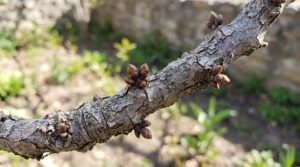
At Agro Vivero del Mediterráneo, we have been dedicated body and soul to the fascinating world of pistachios for years. We not only see it as a highly profitable crop, but as a powerful future tool to combat climate change. As experts in the field, we want to share with you a perspective that is revolutionizing modern agriculture: the incredible potential of pistachio plantations for carbon sequestration. Join us on this journey where we will reveal how your plantation can become a CO2 sink, generating both ecological and economic benefits. 🌍💚
Understanding Carbon Sequestration: What is it and why is it vital?
Before diving into the greenery of our plantations, it is fundamental to understand what carbon sequestration is. Simply put, it is the process of capturing carbon dioxide (CO2), one of the main greenhouse gases, from the atmosphere and storing it long-term. Trees and plants are the natural champions of this process. Through photosynthesis, they absorb CO2, use the carbon to grow (trunk, branches, roots, leaves), and release oxygen. A true lung for the planet!
Carbon is not only stored in the tree’s biomass (the visible part), but a significant amount is transferred and stored in the soil through the roots and the decomposition of organic matter. This edaphic carbon is crucial for soil health and fertility, creating a virtuous cycle.
In the current context of climate emergency, boosting these natural carbon sinks is not an option, it is a necessity. And this is where agriculture, and specifically pistachio cultivation, plays a leading role that we at Agro Vivero del Mediterráneo are determined to lead.
The Pistachio Tree: An Unexpected Ally in the Climate Fight
Why is the pistachio tree so special for this task? At first glance, we might think of large forests, but the intrinsic characteristics of the pistachio tree make it an exceptional candidate for carbon sequestration in semi-arid climates like ours.
-
Longevity and Robustness: The pistachio tree is an extremely long-lived tree, capable of living and producing for over 100 years. This long life means it acts as a stable, very long-term carbon store. With each passing year, the tree accumulates more woody biomass, continuously fixing carbon in its structure.
-
Deep Root System: One of the most impressive adaptations of the pistachio tree to dry climates is its powerful and deep root system. These roots not only allow it to seek water and nutrients in the deepest layers of the soil, but they are also a fundamental vehicle for depositing carbon underground. As they expand, the roots exude carbon compounds that feed soil microorganisms and contribute to forming stable organic matter, humus, which is safely stored carbon.
-
Adaptation to Adverse Conditions: Its incredible resistance to drought and poor soils makes it ideal for planting in marginal or dryland areas, where other crops would not thrive. This allows for the revaluation of land, preventing its erosion and desertification, and turning it into effective carbon sinks without competing with land dedicated to other essential food crops.
-
Biomass Generation: In addition to the trunk and branches, annual pruning generates a considerable amount of biomass (pruning residues). As we will see later, the proper management of these residues is key to maximizing carbon sequestration in the plantation itself, closing the cycle and enriching the soil.
In our experience, we have seen how well-planned plantations transform the landscape and the local ecosystem. If you are thinking of starting your project, choosing the right pistachio plant is the first step to ensuring a strong and healthy tree, capable of maximizing its sequestration potential from day one.
Agronomic Practices to Maximize Carbon Sequestration: Our Approach
Turning a pistachio plantation into a high-performance carbon sink does not happen by magic. It requires careful planning and the implementation of a series of regenerative agronomic practices. At Agro Vivero del Mediterráneo, these are the pillars of the services we offer and recommend to all our farmers.
Soil Management: The Foundation of Everything 🌱
The soil is the largest terrestrial carbon reservoir. Caring for it and enriching it is our top priority.
-
Minimum Tillage or No-Till: We abandon the idea of deep and aggressive tillage. Every time the earth is plowed, the carbon stored in the soil is exposed to oxygen, accelerating its decomposition and release into the atmosphere as CO2. We opt for minimum tillage techniques or, ideally, no-till. This keeps the soil structure intact, protects the microbial community (fungi, bacteria) which is essential for carbon storage, improves water infiltration, and drastically reduces erosion.
-
Addition of Organic Matter: The soil is a living being that needs to feed. The regular application of organic amendments such as high-quality compost or well-matured manure is fundamental. This organic matter not only provides essential nutrients for the pistachio tree, but it is, in essence, carbon that we incorporate directly into the system. A soil rich in organic matter is more fertile, retains moisture better (something crucial in our climates), and can store tons of carbon per hectare. We always recommend conducting prior soil analyses to adjust the doses and types of amendments, a key service we offer to optimize results.
Cover Crops: The Green Tapestry of Fertility 🌿
Walking through one of our pistachio plantations and seeing the alleys between the trees covered by a green mantle is an unmistakable sign of sustainable management. Cover crops are one of our favorite and most effective tools.
-
What are they? They consist of sowing a mixture of species (usually legumes, grasses, and crucifers) in the plantation alleys. This cover crop remains alive for part of the year, generally in autumn, winter, and spring.
-
How do they sequester carbon?
-
Additional Photosynthesis: The cover itself performs photosynthesis, capturing additional CO2 that would not be captured by bare soil.
-
Biomass Contribution: At the end of its cycle, the cover is mowed and left on the ground (mulching) or incorporated very shallowly. This biomass decomposes and becomes part of the soil’s organic matter.
-
Nitrogen Fixation: If we include legumes in the mixture (such as vetch, bitter vetch, or clovers), they have the ability to fix atmospheric nitrogen in the soil thanks to their symbiosis with bacteria of the genus Rhizobium. This reduces the need for synthetic nitrogen fertilizers, whose production is very energy-intensive and generates greenhouse gas emissions.
-
Improvement of Soil Structure: The roots of the cover crop create channels, improve aeration and water infiltration, and aggregate soil particles, making it more resistant to erosion.
-
The choice of the species mixture for the cover is crucial and must be adapted to the climate, soil type, and plantation management. We experiment and advise on the best combinations for each particular case.
Smart Pruning Management 🌳✂️
Pruning is an indispensable task in pistachios to shape the tree, ensure good lighting and ventilation, and regulate production. But what do we do with the thousands of kilos of pruning residues generated each year?
Traditionally, burning these residues was a common practice. Today we know that this is a major mistake from the point of view of carbon sequestration, as it instantly releases into the atmosphere all the CO2 that the tree had taken time to fix. Our philosophy is clear: pruning residues are a resource, not waste.
-
Shredding and Incorporation: The best practice is to shred these woody residues with specific machinery and spread them through the plantation alleys. This shredded material, rich in carbon and lignin, decomposes slowly on the soil, protecting it from erosion and evaporation, and gradually transforming into stable organic matter. It is a direct way to return to the soil the carbon that the tree captured.
-
Biochar: A more advanced technique with enormous potential is the production of biochar through a process called pyrolysis (heating biomass in the absence of oxygen). Biochar is a very stable form of carbon that can take hundreds or even thousands of years to degrade in the soil. By incorporating it into the ground, we are, in practice, “burying” the carbon almost permanently. In addition, biochar improves water and nutrient retention and serves as a habitat for beneficial soil microorganisms. Although it is a more complex technology, its potential is so great that we are actively researching it.
Regulated and Efficient Deficit Irrigation 💧
Although the pistachio tree is drought-resistant, in many areas well-managed supplemental irrigation is key to economic viability. However, inefficient water use is not only a waste of a scarce resource, but it also has an associated carbon footprint (pumping, etc.).
-
Subsurface or Surface Drip Irrigation: Efficiency is key. We use drip irrigation systems that apply water directly to the root zone, minimizing losses due to evaporation or runoff.
-
Regulated Deficit Irrigation (RDI): This technique consists of applying less water than the tree would demand under optimal conditions, but at key phenological moments so as not to significantly affect the final nut production. This strategy not only saves enormous amounts of water (up to 40-60%), but it can also induce the tree to invest more in the root system in search of water, which in turn can boost carbon deposition in the soil.
Optimized water management, supported by soil moisture sensors and monitoring, is fundamental for sustainable, low-carbon agriculture.
The Added Value: Carbon Markets and Profitability
So far we have talked about the ecological benefits, but what about the economic ones? This is where the concept of carbon sequestration becomes even more interesting for the farmer. The effort to implement these sustainable practices can have a direct economic reward. 📈
The growth of voluntary carbon markets allows companies that need to offset their emissions to buy “carbon credits.” Each credit usually represents one ton of CO2 equivalent that has been captured and stored. A regeneratively managed pistachio plantation becomes a factory for these credits.
-
How does it work?
-
Measurement and Verification: This is the most complex step. An initial measurement of carbon in the soil and biomass (baseline) is required. After several years of applying regenerative practices, it is measured again. The positive difference is the sequestered carbon.
-
Certification: This sequestration must be verified and certified by an accredited external entity following internationally recognized methodologies.
-
Sale of Credits: Once certified, the credits can be sold on the voluntary market, generating a new revenue stream for the farmer.
-
Although the process is still developing and requires a certain scale and technical rigor, the potential is enormous. We are talking about being able to generate additional income of between 200 and 500 euros per hectare per year, depending on the price of carbon and the plantation’s sequestration capacity.
This new dimension makes sustainability a key pillar of plantation profitability. It is no longer just about the value of the nut, but also about the value of the ecosystem service the plantation provides to the planet. From Agro Vivero del Mediterráneo, we are exploring alliances and methodologies to facilitate our farmers’ access to these markets, turning their environmental commitment into a tangible benefit.
A Project for the Future: From Vision to Reality
Establishing a pistachio plantation oriented towards maximum carbon sequestration is an exciting project. It is aligning economic profitability with environmental responsibility. It is leaving a positive legacy for future generations.
The path begins with good planning. It is necessary to analyze the soil, the climate, choose the most suitable rootstocks and varieties, design the planting layout and the irrigation system, and draw up a long-term management plan that incorporates all the practices we have described.
At Agro Vivero del Mediterráneo, we don’t just sell plants; we offer comprehensive support. Our decades of experience on the ground allow us to advise you at every step of the process. From land preparation to pruning management and cover crops, we are by your side to ensure your project is a resounding success, both in production and sustainability.
Pistachio cultivation is in a golden age. The demand for the nut continues to grow and its prices remain stable and high. If we add to this the potential of carbon farming, the opportunity is simply extraordinary. We are transforming dryland agriculture on the Iberian Peninsula, turning low-yield lands into engines of a green bioeconomy.
If you feel the call of the land and want to be part of this green revolution, if you believe that agriculture can and must be part of the solution to climate change, we invite you to take the next step.
Do not hesitate to get in contact with us. Our technical team will be happy to listen to your project, answer your questions, and offer you personalized advice. Or if you already have a clearer idea of what you need, you can directly request your quote through our reservation form.
Together, we can cultivate much more than pistachios. We can cultivate a more sustainable, more prosperous, and healthier future for everyone. 🌍🤝🌳
Need a quote?
Tell us about your project and we will send you a proposal with no obligation.
Request a quote